
Non-Surgical Facelift Options: What Med Spa Treatments Can Achieve
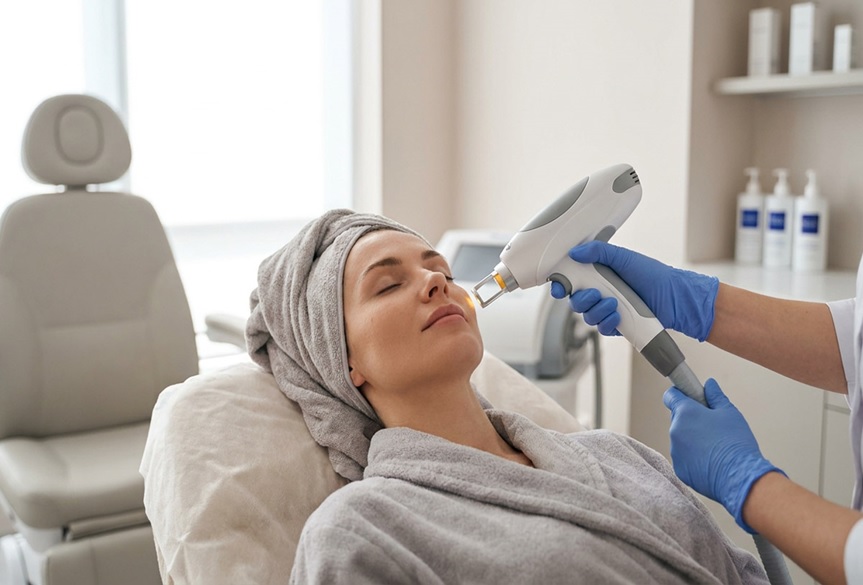
A non-surgical facelift Newport Beach patients build with Botox, dermal fillers, laser resurfacing, microneedling, thread lifts, and Ultherapy can meaningfully soften lines, restore volume, and firm mild skin laxity with little to no downtime. These treatments have real limits, though. Once skin and muscle laxity become significant, only a surgical facelift repositions tissue and removes excess skin for a lasting result. A consultation helps determine which path fits your face and your goals.
You keep catching your reflection in the bathroom mirror and noticing the same thing: your jawline looks a little softer than it used to, the skin along your neck has lost some spring, and the smile lines that were once just expression lines now stick around after you stop smiling. You are not ready to think about surgery, but you are also tired of creams that promise everything and deliver very little. This is exactly where a growing number of patients researching a non-surgical facelift Newport Beach med spas offer find themselves. The good news is that today’s combination of injectables, lasers, and skin-tightening devices can do more than they could even five years ago. The honest news is that these treatments have a ceiling, and knowing where it sits before you invest time and money matters just as much as knowing what they can do.
What Is a Non-Surgical Facelift, Really?
Quick take: A non-surgical facelift is not one procedure but a personalized combination of injectables and energy-based treatments designed to soften lines, restore lost volume, and tighten mild skin laxity without incisions or downtime.
The phrase sounds like marketing, and in some cases it is used that way, but there is a legitimate concept behind it. Rather than a single treatment, the American Society of Plastic Surgeons describes a nonsurgical facelift as a tailored mix of minimally invasive options chosen based on your specific signs of aging. The right combination depends on your skin quality, the areas that bother you most, and how much change you are hoping to see.
- Botox and similar neuromodulators to soften expression lines
- Dermal fillers to restore volume in cheeks, temples, and under the eyes
- Laser resurfacing or microneedling to improve tone and texture
- Thread lifts for a subtle, temporary repositioning of sagging tissue
- Ultherapy or other skin-tightening devices to stimulate collagen over time
Before committing to any of these, it helps to talk through your full treatment options during a consultation, where your skin and goals guide the plan rather than a one-size-fits-all package.
Botox and Dermal Fillers: Smoothing Lines and Restoring Volume
Quick take: Botox relaxes the muscles behind expression lines, while dermal fillers restore volume that thinning skin and fat loss take away, and together they address two very different signs of facial aging.
These two injectables get grouped together constantly, but they solve different problems. Botox works on dynamic wrinkles, the ones caused by repeated muscle movement like frowning or squinting. Dermal fillers, many of them hyaluronic acid-based, plump areas that have lost structural support, such as the cheeks, temples, and under-eye hollows. According to ASPS’s explanation of Botox and dermal fillers, the two are frequently paired in the same visit because relaxing a muscle and restoring volume address separate parts of the aging process.
- Botox typically softens forehead lines, frown lines, and crow’s feet for three to four months
- Fillers can restore volume along the cheeks, jawline, and lips for six months to over a year depending on the product
- Hyaluronic acid fillers may encourage some natural collagen support over time, which can mean needing less product at future visits
- Appointments are typically short, often 15 to 60 minutes, with minimal to no downtime
“Botox and fillers solve different problems. Used together thoughtfully, they can soften a tired look without a single incision.”
Laser Resurfacing and Microneedling: Renewing Skin Texture
Quick take: Laser resurfacing and microneedling both stimulate new collagen, but laser treatment tends to address deeper wrinkles and sun damage more aggressively, while microneedling offers a gentler path with less downtime.
If your main concern is texture rather than volume, fine lines, sun damage, or uneven tone, these two treatments are often where a non-surgical plan starts. Laser resurfacing removes a controlled layer of damaged skin while heating the deeper dermis to trigger new collagen growth, and ASPS notes that healed skin is typically smoother and firmer as a result. Microneedling, sometimes paired with radiofrequency energy, creates tiny controlled injuries that prompt the skin’s own repair process, and the FDA’s overview of microneedling devices outlines how these devices are regulated and what patients should understand before treatment.
- Laser resurfacing often suits deeper wrinkles, more significant sun damage, or noticeable pigmentation
- Microneedling and radiofrequency microneedling work well for patients wanting gradual tightening with less downtime
- Recovery from laser treatments can range from a few days of redness to a week or more depending on intensity
- Results build gradually over weeks to months as new collagen forms
Thread Lifts: A Subtle, Temporary Lift
Quick take: Thread lifts use dissolvable sutures to gently reposition sagging tissue and can offer a modest, temporary lift, but they are not a substitute for the tissue repositioning a surgical facelift provides.
Thread lifts have gained popularity as a middle-ground option, promising a “lunchtime lift” without surgery. Barbed sutures are threaded under the skin and anchored to lift and support sagging areas, most commonly along the jawline, cheeks, and brow. Clinical literature reviewing thread-lifting technique has been direct about tempering expectations here, cautioning that thread lifts should not be promoted as a low-risk stand-in for a surgical facelift, since the lift they provide is far more limited and temporary.
- Best suited to patients with mild sagging rather than significant loose skin
- Results generally last one to two years before the lift fades
- Common side effects include temporary swelling, bruising, and mild discomfort at entry points
- Not a solution for excess skin, since threads reposition tissue rather than remove it
Ultherapy and Skin Tightening Devices: Lifting Without Incisions
Quick take: Ultherapy uses focused ultrasound energy to stimulate collagen deep in the skin, producing a gradual, non-invasive lift, most noticeably along the brow, jawline, and neck over two to three months.
Ultherapy stands apart because it is an ultrasound-based device cleared by the FDA specifically for non-invasive lifting of the eyebrow, under-chin, and neck area, with imaging built in so the practitioner can see the tissue layer being treated. Board-certified plastic surgeon Dr. Siamak Agha offers med spa treatments like Ultherapy and other skin-tightening devices under his direct medical oversight at The One Plastic Surgery Center, which matters because these devices work best when settings and treatment depth are calibrated to your specific skin and anatomy.
- Results build gradually, with visible changes typically appearing over two to three months
- Full collagen remodeling benefits may continue to appear for up to six months
- Best candidates have mild to moderate skin laxity rather than significant sagging
- Little to no downtime, making it appealing for patients who cannot take time off for recovery
What Non-Surgical Treatments Can’t Do: Understanding the Ceiling
Quick take: Non-surgical treatments restore volume and stimulate collagen, but none of them remove excess skin or reposition deeper facial tissue the way surgery does, so significant laxity has a lower ceiling with these options alone.
This is the section worth reading closely before you book anything. The Aesthetic Society has addressed this issue directly, questioning whether “nonsurgical facelift” is a legitimate description or largely a marketing term, noting that these treatments work by adding volume or tightening skin rather than by removing it or repositioning deeper support structures. If you have significant jowling, loose neck skin, or visible platysmal bands, injectables and devices can soften the appearance somewhat, but they cannot recreate what a surgical lift accomplishes.
- Non-surgical options tend to work best for patients with mild to moderate laxity and reasonably elastic skin
- Significant excess or sagging skin generally requires surgical repositioning for a meaningful, lasting change
- Non-surgical results are temporary and require ongoing maintenance appointments
- If you notice jowls, deep neck bands, or skin that no longer springs back when pulled gently, it is worth discussing surgical options at a consultation
“Non-surgical treatments can refresh your face. They cannot replace what surgery is uniquely built to do.”
Choosing the Right Combination: Why a Consultation Matters
Quick take: The right non-surgical plan depends on your skin quality, the areas bothering you most, and your goals, which is why a personalized consultation matters more than any single trending treatment.
It is tempting to pick a treatment because a friend loved it or because it trended on social media, but your face has its own aging pattern. Some patients do best starting with volume restoration through fillers, others need texture work first, and some are better served learning early that surgery would give them the result they actually want. Visiting The One Plastic Surgery Center gives you a chance to have that conversation directly with a board-certified plastic surgeon rather than guessing from online reviews.
- Bring photos of how you looked five or ten years ago to help illustrate changes over time
- Ask which treatments can be combined safely in the same visit
- Ask how many sessions a realistic plan requires and what maintenance looks like
- Ask directly whether your degree of laxity is better suited to surgery
The Bottom Line on Non-Surgical Facelift Options
A non-surgical facelift Newport Beach patients pursue through Botox, fillers, laser resurfacing, microneedling, thread lifts, and Ultherapy can meaningfully refresh volume, tone, and mild sagging with little to no downtime. These same tools reach a natural ceiling once skin laxity becomes significant, and no combination of injectables or devices replaces the tissue repositioning and skin removal that a surgical facelift provides. Results and candidacy vary from patient to patient, and a consultation is required to determine which approach, or which combination, fits your face.
Ready to find out if a non-surgical facelift is right for you or whether surgery would actually serve your goals better? Schedule a consultation with board-certified plastic surgeon Dr. Siamak Agha at The One Plastic Surgery Center in Newport Beach to discuss your goals and options.
FAQ
Can a non-surgical facelift really replace a surgical facelift? Not for everyone. Non-surgical treatments can soften lines, restore volume, and tighten mild laxity, but they cannot remove excess skin or reposition deeper facial tissue. Patients with significant sagging typically need surgery for a lasting, meaningful change, which is why candidacy varies so much from patient to patient.
How long do non-surgical facelift results last? It depends on the treatment. Botox typically lasts three to four months, dermal fillers can last six months to over a year, thread lifts often last one to two years, and Ultherapy results may last up to a year. All of these require maintenance visits to sustain results over time.
What is the best combination of non-surgical treatments for early signs of aging? Many patients start with Botox for expression lines and dermal fillers for volume loss, then add laser resurfacing or microneedling for texture concerns. A consultation helps determine the right order and combination based on your specific skin and goals.
Is Ultherapy painful, and is there downtime afterward? Most patients describe Ultherapy as producing brief warmth or tingling during treatment, and discomfort typically fades quickly afterward. There is generally little to no downtime, so most patients return to normal activities the same day.
How do I know if I should consider surgery instead of a non-surgical facelift? Signs that surgery may serve you better include visible jowls, loose skin along the neck, platysmal bands, or skin that does not spring back when gently pulled. A consultation with a board-certified plastic surgeon is the most reliable way to determine which option fits your anatomy and goals.