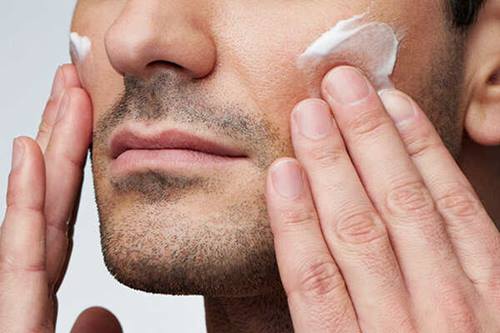
The practice of morning skincare has evolved beyond a simple beauty routine into a fundamental aspect of self-care and wellness. With an increasing focus on maintaining healthy skin, individuals are becoming more attuned to the importance of the products and rituals they incorporate into their daily morning regimen. However, achieving glowing, healthy skin is not solely reliant on the right products; rather, it is shaped by several interdependent factors. These factors are rooted in both science and psychology and play a crucial role in shaping the way we care for our skin upon waking up. From environmental influences to skin type, lifestyle choices, and the latest advancements in dermatology, understanding what impacts morning skincare routines can empower individuals to make informed decisions and achieve long-lasting benefits.
1. Skin Type and Condition
The most fundamental determinant of any skincare routine, including a morning regimen, is an individual’s skin type. Our skin’s unique characteristics are shaped by factors such as genetics, hormones, and environmental exposures. Recognizing your skin type is essential to choosing the right products, as different skin types—such as oily, dry, combination, or sensitive—require distinct care.
Oily skin, for example, often benefits from lighter formulations, such as gel-based cleansers and non-comedogenic moisturizers that do not clog pores. Conversely, dry skin may require richer creams with hydrating ingredients like hyaluronic acid and ceramides to restore moisture balance. Combination skin requires careful balancing to address both dry patches and excess oil in the T-zone. For sensitive skin, gentle, fragrance-free products are essential to prevent irritation.
Scientific studies support the idea that the skin’s condition can fluctuate with external factors such as weather, stress, and hormonal changes, meaning that morning skincare habits should be adjusted to accommodate these changes. Hormonal fluctuations during puberty, menstruation, pregnancy, or menopause, for example, can influence the skin’s oil production and its susceptibility to acne or dryness, which in turn affects skincare preferences.
2. Environmental Factors: Climate and Pollution
Our skin does not exist in a vacuum; it is constantly exposed to environmental elements that can have a significant impact on its health and appearance. Climate and pollution are two of the most important external factors influencing morning skincare habits. Environmental stressors, such as UV radiation, air pollution, and humidity, play a pivotal role in determining the products we use and the frequency of our skincare routines.
In regions with high humidity, for instance, people tend to prefer lightweight products that won’t weigh their skin down or lead to excess shine. Conversely, in colder climates, heavier moisturizers and nourishing oils are often needed to combat dry air that dehydrates the skin. Additionally, the role of UV radiation cannot be overstated: prolonged exposure to the sun is one of the primary causes of premature aging, pigmentation issues, and skin cancer. As a result, sunscreen has become a cornerstone of morning skincare routines worldwide. The American Academy of Dermatology recommends a broad-spectrum sunscreen with an SPF of 30 or higher to protect the skin from harmful UV rays.
Pollution, particularly in urban environments, has also emerged as a significant concern for skin health. Studies show that airborne pollutants like particulate matter, nitrogen dioxide, and ozone can accelerate skin aging by generating free radicals that damage collagen and elastin fibers. Morning skincare routines, therefore, often include antioxidants such as vitamin C and niacinamide to neutralize these free radicals and protect the skin from oxidative stress.
3. Sleep Patterns and Skin Repair
The connection between sleep and skin health is backed by science. During the night, the skin enters a phase of repair and regeneration, when cellular turnover is at its peak. Collagen production increases, and the skin works to repair damage caused by environmental factors such as UV radiation and pollution. As a result, individuals who do not get adequate or quality sleep often experience dull, tired-looking skin, dark circles, and an increased risk of skin conditions like acne and eczema.
Morning skincare routines, therefore, play a pivotal role in reviving the skin and preparing it for the day ahead. A person’s sleep habits influence their skin’s condition upon waking, making it essential to use products that promote hydration and restore the skin’s natural barrier. The inclusion of ingredients like hyaluronic acid, glycerin, and peptides in morning skincare can support the skin’s healing process and maintain its hydration levels.
Furthermore, a lack of sleep increases the production of cortisol, a stress hormone that has been linked to inflammatory skin conditions such as acne and rosacea. Regular and restful sleep can help to regulate cortisol levels, leading to a more balanced complexion.
4. Stress and Its Impact on the Skin
In modern society, stress has become an inevitable part of daily life. Unfortunately, the connection between stress and skin health is well-documented. Stress triggers the release of cortisol, which can lead to increased oil production, clogged pores, and inflammation. These effects contribute to acne breakouts, eczema flare-ups, and other dermatological concerns.
Because of this, individuals who are under significant stress may experience a change in their morning skincare habits. To counteract the negative impact of stress on the skin, they may turn to calming and soothing skincare products that incorporate ingredients like chamomile, aloe vera, or lavender. These ingredients are known for their anti-inflammatory properties, helping to reduce redness and irritation. Some people may also gravitate toward skincare routines that incorporate mindfulness practices, such as facial massage, which can help reduce tension and promote a sense of well-being.
5. Lifestyle Choices: Diet, Hydration, and Exercise
Diet, hydration, and exercise play a substantial role in influencing the skin’s appearance and the effectiveness of morning skincare routines. Hydration is paramount to maintaining the skin’s elasticity and plumpness, as dehydrated skin often appears dull and lacks vitality. Drinking water throughout the day, as well as using hydrating skincare products, can help replenish lost moisture and improve skin texture.
A well-balanced diet rich in antioxidants, vitamins, and essential fatty acids can also support healthy skin. For instance, vitamin A, found in foods such as sweet potatoes and carrots, is vital for skin cell turnover, while omega-3 fatty acids, found in fatty fish and flaxseeds, help to maintain the skin’s lipid barrier. Conversely, a diet high in sugar and processed foods has been linked to an increase in acne and inflammation, which may influence an individual’s skincare habits, prompting them to seek out products that address these concerns.
Exercise is another lifestyle factor that influences the skin’s health. Physical activity improves blood circulation, which promotes a healthy complexion by delivering oxygen and nutrients to skin cells. Post-exercise skincare routines often include cleansing to remove sweat and impurities, followed by moisturization to restore hydration.
Conclusion
Morning skincare habits are shaped by a multitude of factors that extend beyond product selection. Skin type, environmental conditions, sleep, stress, and lifestyle choices all play a vital role in determining how we approach skincare in the morning. By understanding the science behind these influences, individuals can tailor their skincare routines to address their unique needs, ensuring that their skin receives the care it requires to look and feel its best. As the field of dermatology continues to advance, personalized skincare routines backed by scientific research will empower individuals to make informed choices for healthier, more radiant skin.