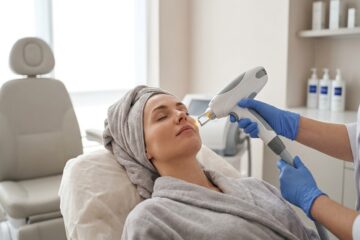
How Stem Cell Therapy Is Used in Facial Rejuvenation

Interest in regenerative medicine has expanded beyond orthopedic and medical applications into aesthetic treatment planning. When patients research stem cell injection for face procedures, they are often seeking approaches that focus on tissue repair rather than surface level correction. Stem cell based therapies aim to support natural regeneration processes instead of relying solely on fillers or tightening devices.
Facial aging occurs due to multiple factors including collagen decline, volume loss, reduced elasticity, and environmental exposure. Traditional aesthetic treatments address these changes by adding volume or stimulating collagen. Regenerative approaches attempt to influence the underlying biological environment that contributes to visible aging.
What Stem Cells Are Intended to Do
Stem cells are valued for their ability to support tissue repair and cellular communication. In aesthetic applications, the focus is generally on mesenchymal stem cells or stem cell derived products. These are believed to release growth factors and signaling molecules that influence surrounding skin cells.
Rather than directly replacing lost tissue, the therapy aims to stimulate the body’s own regenerative response. This may include promoting collagen production, improving microcirculation, and supporting skin structure over time.
The Treatment Process
The procedure typically begins with consultation and assessment. Skin condition, medical history, and treatment goals are reviewed before planning. The therapy itself involves injection into targeted facial areas. The number of injection points and depth depend on the treatment design.
Local anesthesia may be used to improve comfort. The session is generally completed within a short clinical appointment, though preparation and post treatment guidance extend the visit. Swelling or mild redness can occur, but recovery is usually limited compared to surgical procedures.
Follow up appointments may be scheduled to monitor response. In some cases, combination treatments are incorporated into a broader rejuvenation plan.
Expected Results and Timeline
Results from regenerative approaches tend to develop gradually. Because the therapy works by influencing biological processes rather than mechanically lifting tissue, visible changes emerge over weeks to months.
Patients may notice improvements in skin texture, elasticity, or overall tone. However, individual response varies. Age, baseline skin quality, and lifestyle factors influence outcomes. Realistic expectations are essential, as stem cell based treatments do not replicate surgical lifting effects.
Maintenance planning is also part of the conversation. Depending on response, periodic sessions may be considered to support ongoing regeneration.
Safety and Considerations
Safety depends heavily on sourcing, processing standards, and clinical oversight. Treatments should be performed in regulated medical environments using properly prepared materials. Clear explanation of what is being injected and how it is derived supports informed consent.
It is also important to distinguish between marketing claims and established evidence. While regenerative medicine continues to develop, research in aesthetic applications is still evolving. Patients should discuss benefits and limitations thoroughly before proceeding.
Stem cell based facial therapy represents a shift toward biologically focused rejuvenation. By aiming to stimulate internal repair mechanisms, it offers an alternative to purely structural or volume based approaches, though outcomes depend on careful assessment and appropriate clinical application.