An Evaluation of Complementary and Alternative Medicine for Veterans
Many Australian veterans live with conditions that standard medical treatment does not fully address. Post-traumatic stress disorder, chronic pain, anxiety, and sleep problems often persist despite ongoing care. As a result, a growing number of former service members are looking at complementary and alternative medicine (CAM) to support their recovery. A proper veteran alternative therapy assessment helps them understand which options carry evidence and which may simply drain time and money.
CAM covers a broad range of practices used alongside or instead of conventional treatment. In Australia, common examples include acupuncture, mindfulness meditation, yoga, and naturopathy. Each has different levels of research behind it, so any veteran alternative therapy assessment should weigh both the evidence base and personal goals. What suits one person may offer little to another, and results vary depending on the condition being treated.
Acupuncture has drawn attention for its role in managing chronic pain and headaches. Some studies suggest it can reduce pain intensity and improve function, though findings remain mixed. For veterans dealing with musculoskeletal injuries from years of physical service, acupuncture may offer relief when used alongside physiotherapy and medical care. A careful therapy assessment can help set realistic expectations before starting.
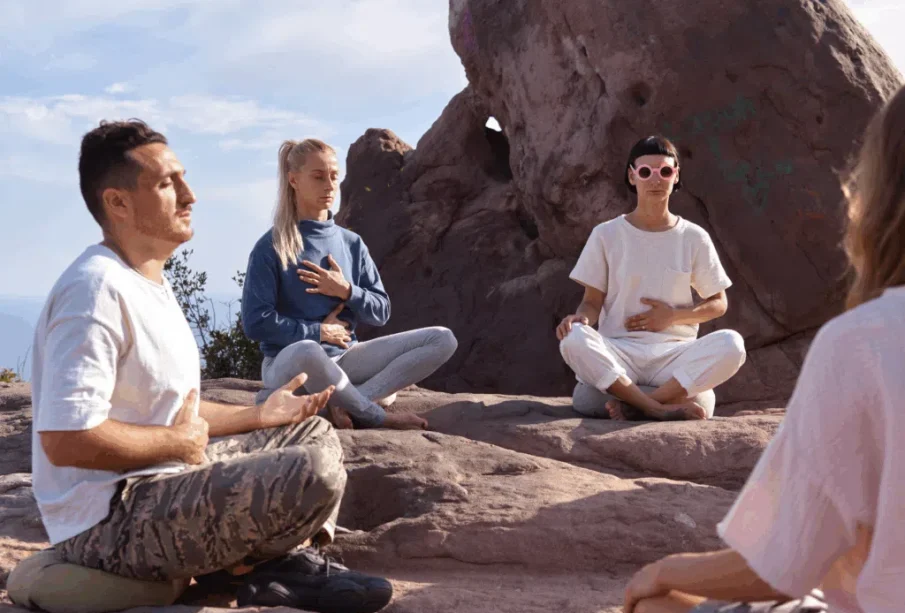
Mindfulness and meditation have stronger backing, particularly for mental health. Research links regular mindfulness practice with reduced symptoms of PTSD, depression, and anxiety. These techniques teach people to observe thoughts without reacting to them, which can ease the hypervigilance many veterans experience. Programmes are widely available across Australia, including free apps, community classes, and structured courses run through health services.
Yoga combines physical movement, breathing, and mindful attention. For veterans, this mix can address both body and mind at once. Gentle practice may improve flexibility, reduce lower back pain, and calm the nervous system. Some Australian providers now run trauma-sensitive yoga classes designed specifically for former service members, adapting poses and language to avoid triggering distress.
Naturopathy sits at the more contested end of the spectrum. It often involves herbal remedies, dietary advice, and lifestyle changes. While good nutrition and sleep habits genuinely support health, some naturopathic treatments lack solid scientific evidence. Veterans should treat claims with caution and always tell their doctor about any supplements they take, since some herbs interact with prescribed medication.
Safety matters throughout. CAM works best as a complement to, not a replacement for, evidence-based medical treatment. Australian veterans should speak with their GP before starting any new therapy, especially when managing complex conditions. The Department of Veterans’ Affairs may cover certain treatments under specific circumstances, so checking eligibility is worthwhile.
The value of CAM lies in giving veterans more ways to manage their health and a greater sense of control over recovery. No single approach fits everyone. By reviewing the evidence, discussing options with trusted health professionals, and staying open to trial and adjustment, veterans can build a plan that fits their needs. A measured, informed approach turns curiosity about alternative therapies into practical, safe support for both mental and physical wellbeing.